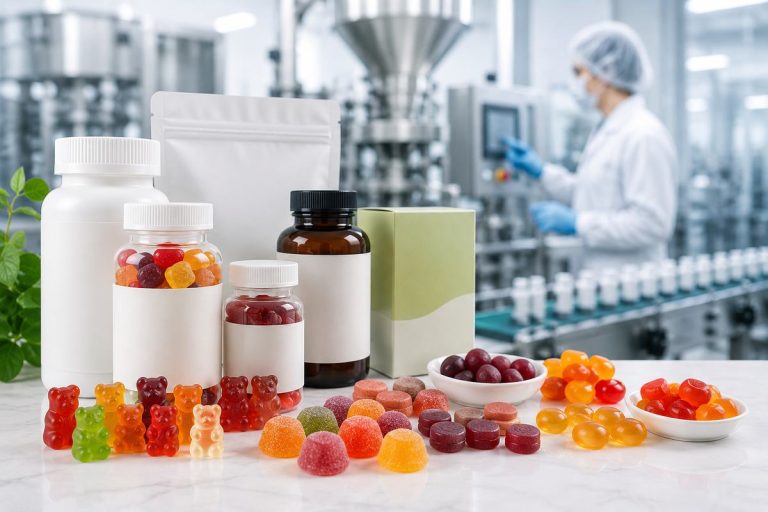
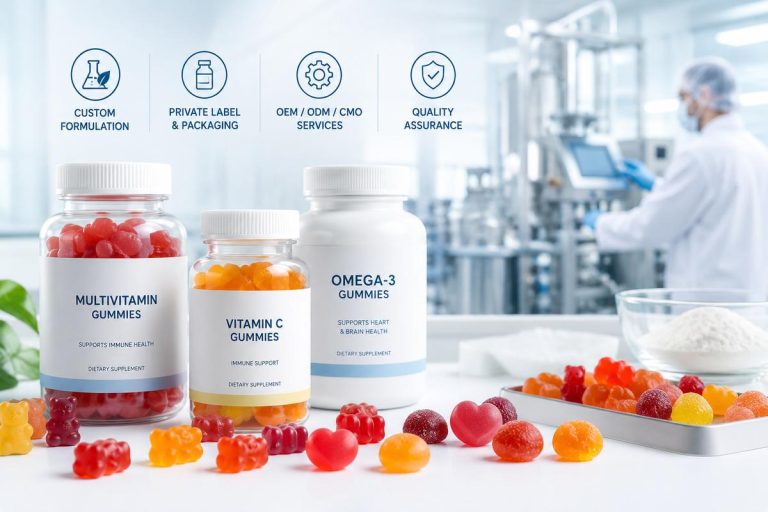
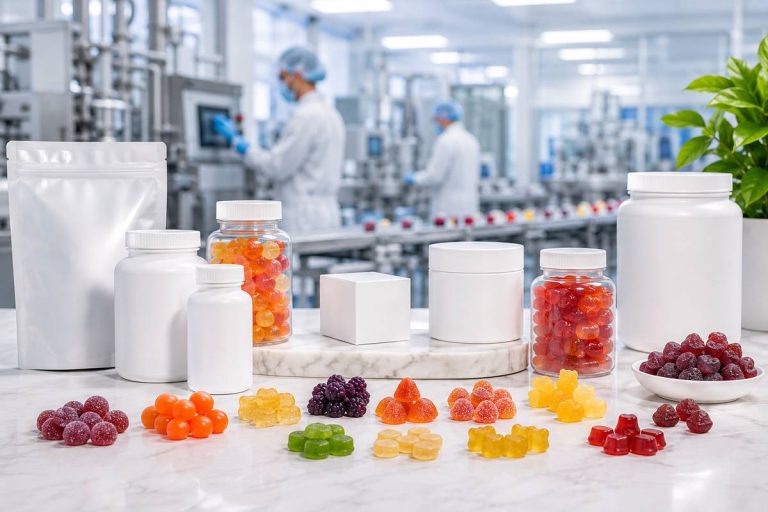
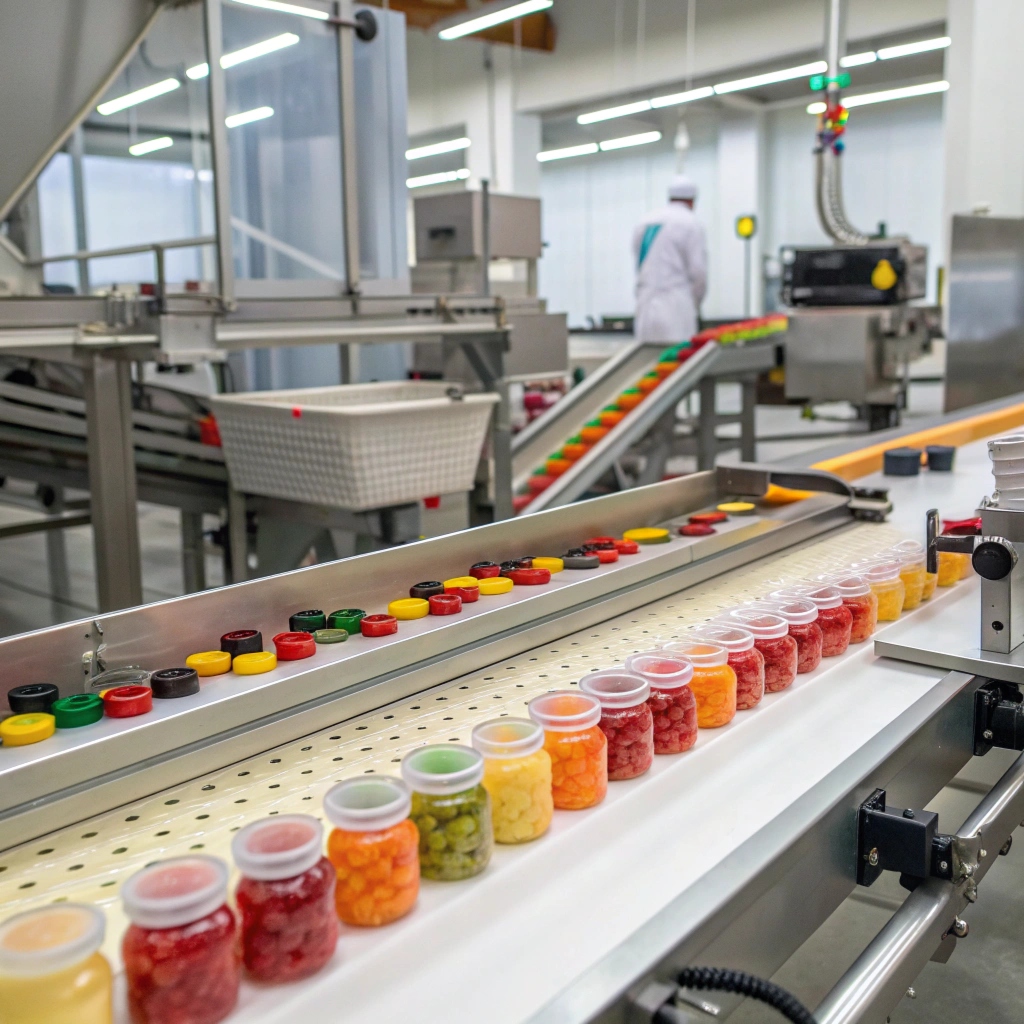
Quality issues in gummy vitamins cause recalls and brand damage; inconsistent control leads to compliance risks—structured quality control systems are the proven solution.
Quality control in gummy vitamin production is a systematic process ensuring safety, dosage accuracy, and regulatory compliance. It applies to manufacturers, brand owners, and OEM buyers. Core evaluation focuses on raw material verification, in-process controls, finished product testing, and documented compliance with food and supplement regulations.
Below, we examine standards, risks, comparisons, and practical evaluation methods buyers actually use.
Definition & Scope
What Is Quality Control in Gummy Vitamin Production?
Quality control is the standardized monitoring of ingredients, processes, and finished gummies to ensure safety and consistency.
It ensures correct potency, texture, stability, and regulatory compliance.
It does not cover marketing claims, distribution, or post-retail storage conditions.
Who Should Choose This Option?
Brand owners selling supplements in regulated markets (US, EU, Australia)
Importers using OEM/ODM gummy manufacturers
Buyers scaling from small batches to mass production
Who Should Avoid This Option?
Low-cost novelty candy sellers without supplement claims
Short-term private labels ignoring long-term compliance risks
Key Evaluation Factors
Factor 1: Raw Material Control
Why it matters: Ingredient quality directly affects safety, efficacy, and legal compliance.
How to verify: COA review, supplier qualification, incoming inspection records.
Common mistake: Trusting supplier labels without third-party verification.
Factor 2: In-Process Manufacturing Control
Why it matters: Temperature, mixing time, and pH impact potency and texture.
How to verify: SOPs, batch records, CCP monitoring, deviation logs.
Common mistake: Relying only on final testing instead of process control.
Factor 3: Finished Product Testing
Why it matters: Confirms dosage accuracy, microbial safety, and shelf stability.
How to verify: Third-party lab reports, stability testing, retain samples.
Common mistake: Testing only once per formula instead of per batch.
Risks and How to Reduce Them
Dosage inconsistency → Implement batch-level potency testing
Microbial contamination → Enforce hygiene zoning and environmental monitoring
Regulatory non-compliance → Align QC documents with target market regulations
Comparison with Alternatives
| Item | Basic Candy QC | Partial Supplement QC | Full Gummy Vitamin QC |
|---|---|---|---|
| Cost | Low | Medium | Higher |
| MOQ | Very low | Medium | Medium–High |
| Lead Time | Fast | Moderate | Controlled |
| Compliance | None | Limited | Full regulatory alignment |
| OEM Ability | Weak | Moderate | Strong & scalable |
Common Real-World Mistakes
Confusing food safety compliance with supplement compliance
Skipping stability tests to reduce initial costs
Choosing factories without documented QC systems
Why Experienced Buyers Prefer Structured Suppliers
Clear communication and documented workflows
Compliance-first manufacturing mindset
Stable production supported by traceable QC systems
Final Summary
Structured quality control is essential for safe, compliant, and scalable gummy vitamin production in regulated markets.