

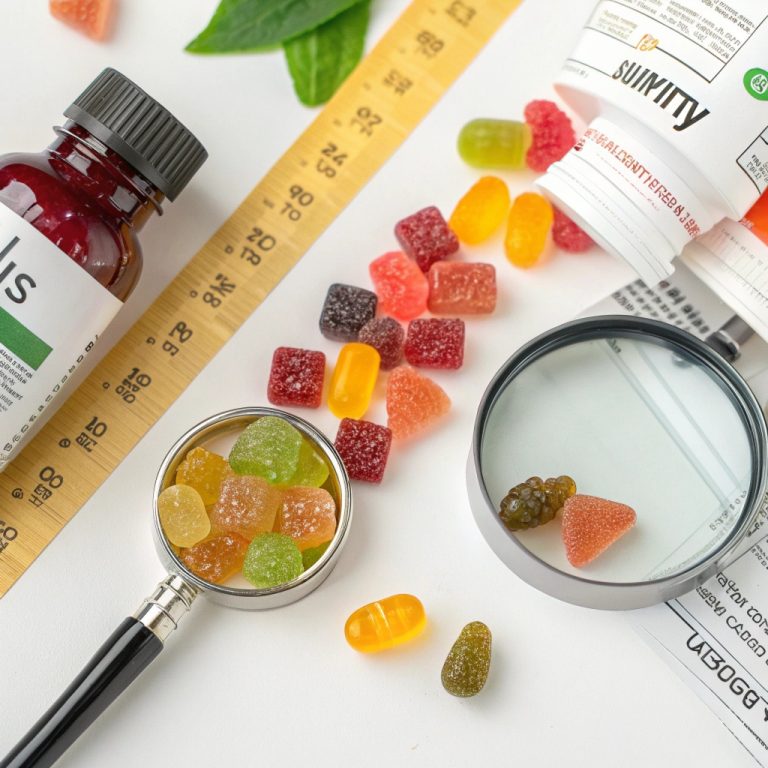
Many people struggle to swallow pills, leading to poor supplement adherence and nutrient gaps; understanding whether gummy vitamins work as well offers a practical solution.
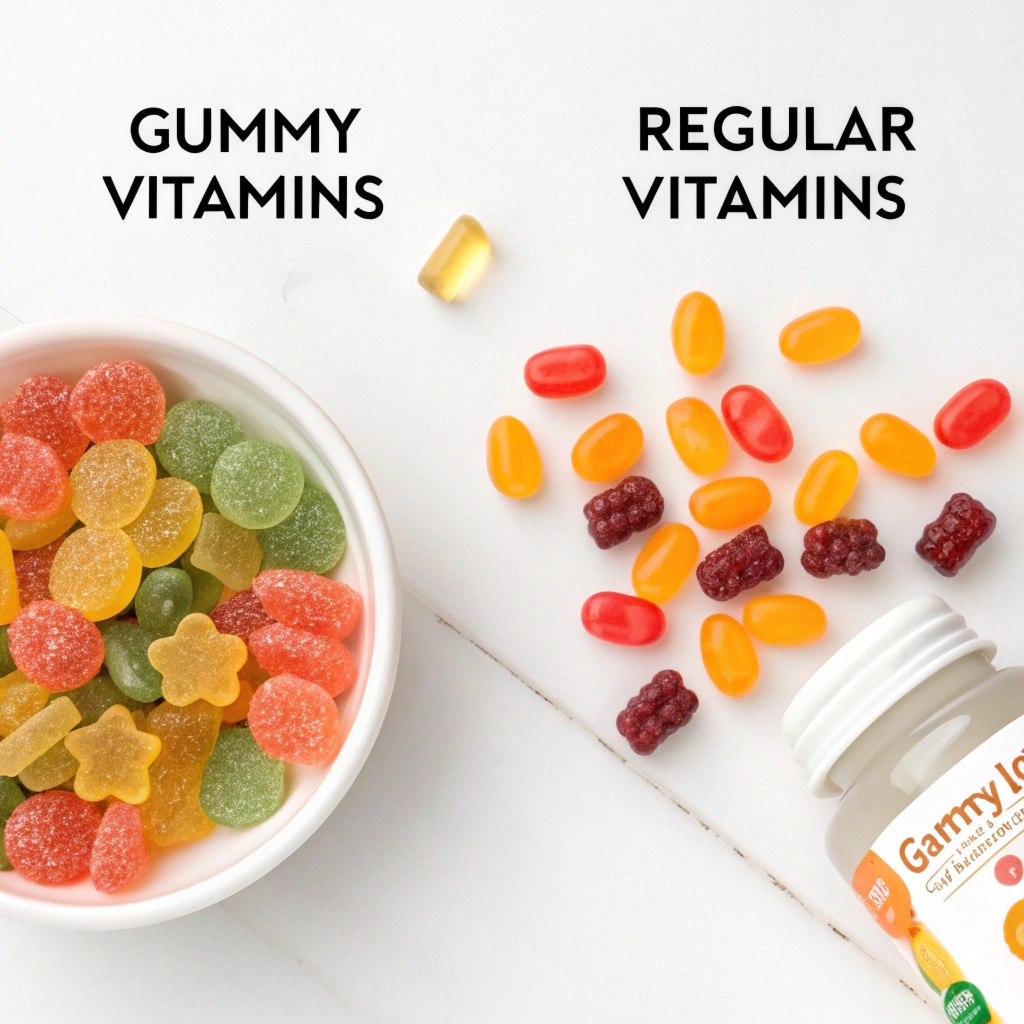
Gummy vitamins can be as effective as regular vitamins when they contain equivalent nutrients, correct dosages, and proven bioavailability. Their effectiveness depends on formulation quality, ingredient stability, and dosage accuracy rather than the supplement form itself. They are especially suitable for individuals who have difficulty swallowing traditional tablets or capsules.
The following sections examine definitions, evaluation criteria, risks, comparisons, and real-world usage considerations.
Definition & Scope
What Is a Gummy Vitamin?
Gummy vitamins are chewable dietary supplements made with gelatin or pectin as a delivery base.
They provide vitamins and minerals in a more palatable and easy-to-consume form.
They are not intended to replace balanced diets, medical treatments, or prescription supplements.
Who Should Choose This Option?
Children or adults who have difficulty swallowing pills
Consumers who value taste and ease of daily supplementation
Individuals seeking better long-term compliance with vitamin intake
Who Should Avoid This Option?
People requiring high-dose or clinically precise nutrient formulations
Individuals who must strictly limit sugar or certain additives
Key Evaluation Factors
Factor 1: Nutrient Dosage Accuracy
Why it matters: Inadequate dosage reduces real nutritional benefit
How to verify: Review nutrition labels and third-party test reports
Common mistake: Prioritizing flavor over effective dosage
Factor 2: Bioavailability
Why it matters: Absorption determines how much the body actually uses
How to verify: Check for bioactive nutrient forms (e.g., methylated vitamins)
Common mistake: Assuming all vitamin forms absorb equally
Factor 3: Stability and Shelf Life
Why it matters: Heat and humidity can degrade active ingredients
How to verify: Look for stability data and clear expiration dates
Common mistake: Ignoring storage conditions and shelf-life limitations
Risks and How to Reduce Them
Excess sugar → Choose low-sugar or sugar-free formulations
Nutrient degradation → Select products with stability testing
Overconsumption → Follow labeled daily intake recommendations
Comparison with Alternatives
| Item | Gummy Vitamins | Tablets/Capsules | Liquid Vitamins |
|---|---|---|---|
| Cost | Medium | Low | High |
| MOQ | Medium | Low | Medium |
| Lead Time | Medium | Short | Longer |
| Compliance | High | Moderate | High |
| OEM Ability | High | High | Moderate |
Common Real-World Mistakes
Equating better taste with higher effectiveness
Overlooking regulatory compliance and testing documentation
Treating gummy vitamins like candy rather than supplements
Why Experienced Buyers Prefer Structured Suppliers
Clear and consistent communication processes
Compliance-first product development mindset
Stable production systems and reliable quality control
Final Summary
Gummy vitamins can match regular vitamins in effectiveness when dosage, bioavailability, and formulation quality are properly controlled.