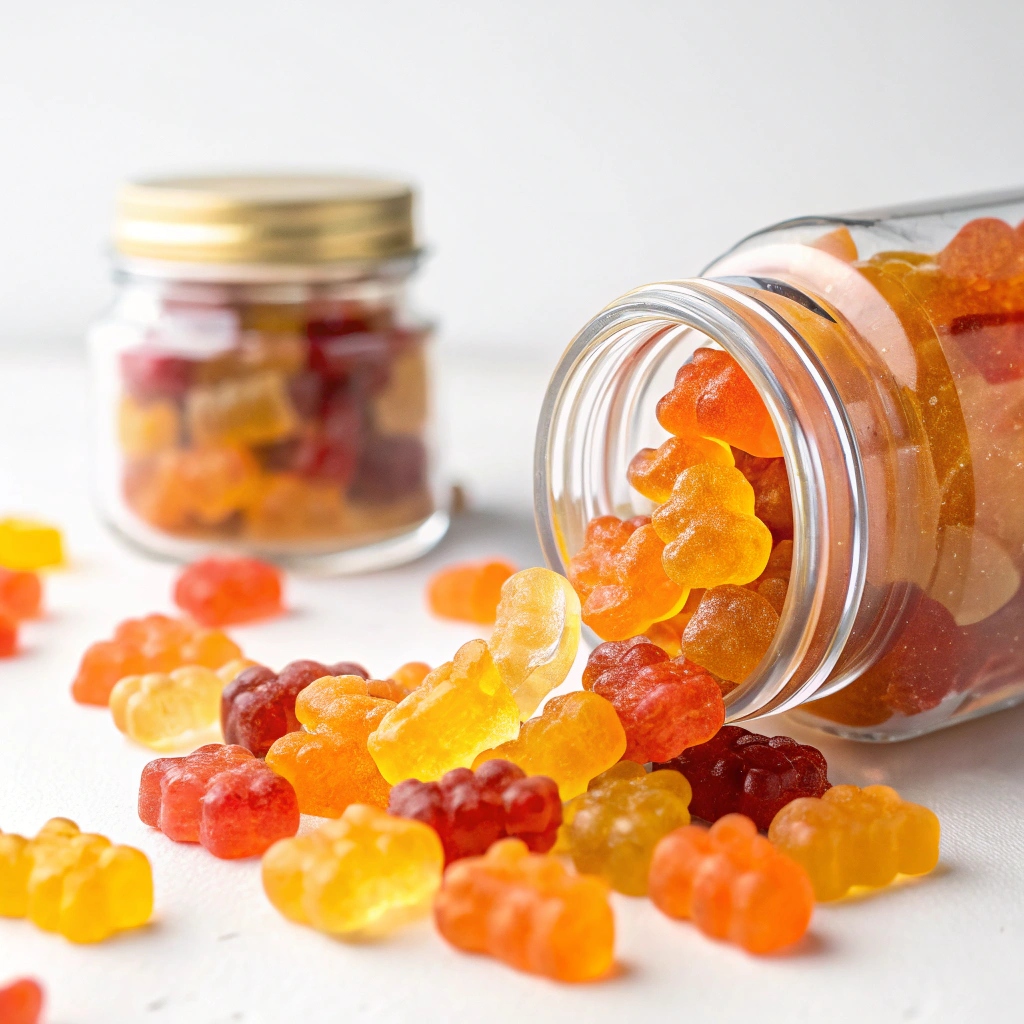
Struggling to launch reliable gummy vitamins? Poor process control can cause unstable quality, compliance risks, and customer complaints. A structured manufacturing process solves these issues.
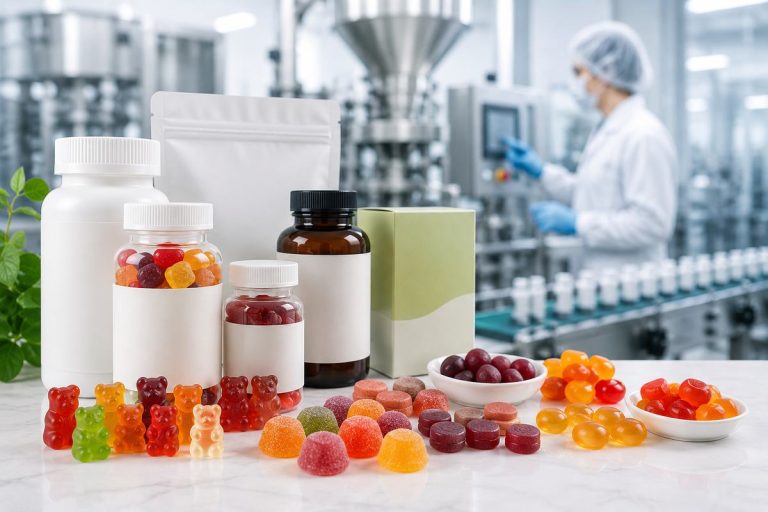
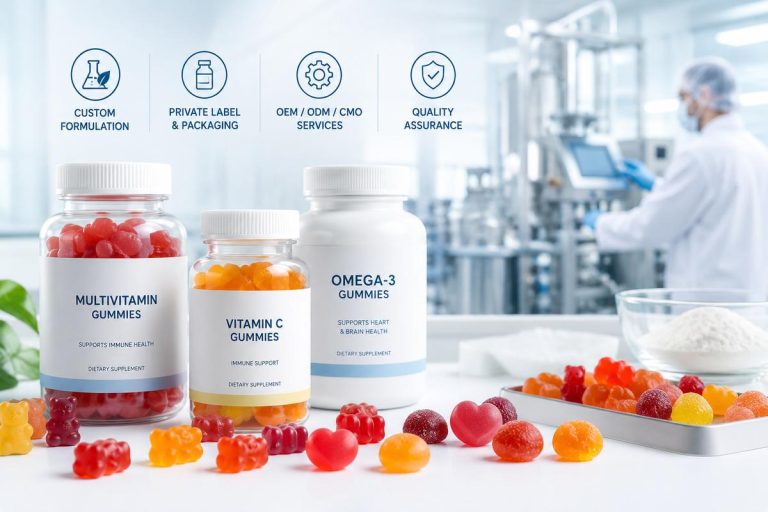
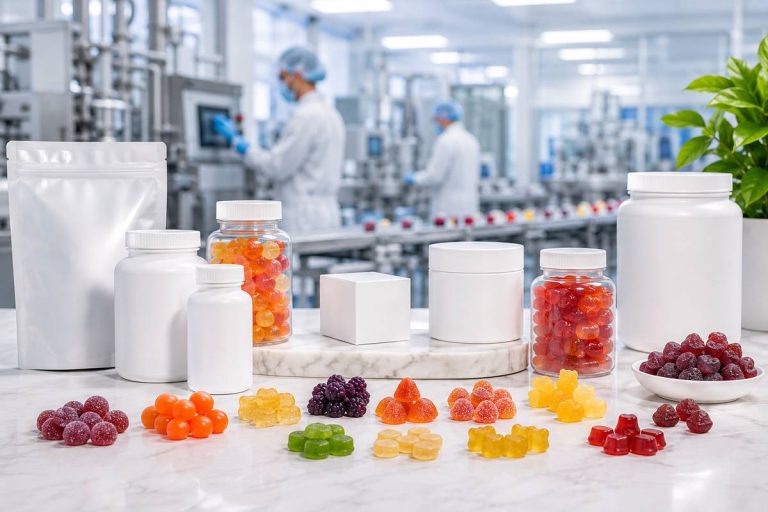
The gummy vitamin manufacturing process includes formulation, ingredient sourcing, cooking, depositing, cooling, coating, quality testing, packaging, and traceability control to ensure taste, stability, safety, and market-ready performance. For brands, choosing a manufacturer with OEM/ODM support and flexible customization makes the process faster and more reliable.
Let’s walk through each step so you can see how great gummy vitamins are really made.
1. Product Planning Comes First
Before production begins, every successful gummy vitamin starts with a clear product plan. This stage defines what the gummy should do, who it is for, and how it should stand out in the market.
A professional manufacturer will usually help brand owners confirm several key points:
- Target audience — kids, adults, women, athletes, or beauty-focused consumers
- Functional goal — immunity, sleep, digestion, energy, beauty, or daily nutrition
- Active ingredients — vitamins, minerals, probiotics, botanicals, enzymes, or specialty nutrients
- Flavor profile — fruity, mixed berry, citrus, tropical, or sugar-free options
- Shape and color — bears, drops, hearts, custom molds, and visual identity choices
- Packaging style — bottles, jars, pouches, or retail-ready private label formats
This early planning stage is extremely important because it affects stability, flavor, cost, compliance, and production efficiency later in the process.
2. Formula Development and Ingredient Selection
Once the concept is clear, the next step is formulation. This is where gummy manufacturing becomes both a science and an art.
A gummy vitamin formula must balance several elements at the same time:
- Active ingredient dosage
- Taste and mouthfeel
- Texture and chewiness
- Heat stability
- Shelf-life performance
- Compatibility between ingredients
For example, some vitamins are sensitive to heat, while certain botanical extracts may affect flavor or color. Minerals can also interact with sweeteners, acids, or gelling agents. That is why experienced formulation support is critical.
At this stage, manufacturers also select core raw materials such as:
- Vitamin premixes
- Functional ingredients
- Sweeteners
- Pectin or gelatin
- Natural or artificial flavors
- Color systems
- Coating agents
The goal is not just to create a gummy that tastes good, but one that can be consistently produced at commercial scale.
3. Raw Material Inspection and Pre-Production Control
Before ingredients enter production, they must go through strict inspection. This step helps prevent contamination, quality variation, and costly rework.
A well-managed gummy factory will check:
- Supplier documentation
- Ingredient identity
- Purity and specification match
- Moisture and stability
- Microbiological safety
- Batch traceability
This is a vital control point because even a strong formula can fail if the incoming raw materials are inconsistent. Reliable gummy manufacturing depends on disciplined pre-production quality management.
4. Mixing and Cooking the Gummy Base
After raw materials are approved, the actual gummy mass is prepared. This usually involves blending sweeteners, water, gelling agents, and functional ingredients under controlled conditions.
The cooking stage is especially important because it determines:
- Final texture
- Moisture level
- Elasticity
- Clarity
- Taste release
- Batch consistency
Temperature, mixing speed, and cooking time must be carefully managed. If the gummy mass is overheated, sensitive nutrients may degrade. If it is under-processed, the texture may become unstable or sticky.
For high-quality production, manufacturers use advanced equipment and standardized control methods to keep each batch uniform.
5. Depositing, Molding, and Shaping
Once the gummy mixture is ready, it is deposited into molds. This is the stage where the product takes on its final shape and portion size.
Accurate depositing matters because it directly affects:
- Weight consistency
- Dosage accuracy
- Appearance
- Production efficiency
Different molds can create different brand identities. Some companies prefer classic bear shapes, while others choose custom forms that make the product more memorable on the shelf.
A capable manufacturer can also support customized sizes, shapes, and visual styles to better match private label branding needs.
6. Cooling, Demolding, and Finishing
After depositing, gummies must be cooled under controlled conditions so they can properly set. This stage influences texture, appearance, and handling stability.
Once the gummies are fully formed, they are removed from the molds and may go through finishing steps such as:
- Oil coating
- Sugar sanding
- Polishing
- Surface drying
These finishing steps improve the final look and feel of the product while also helping reduce sticking during packaging and transportation.
If this stage is rushed, gummies may deform, stick together, or lose visual appeal. That is why controlled cooling and finishing are essential for premium results.
7. Quality Testing and Compliance Checks
Quality testing is one of the most important parts of the gummy vitamin manufacturing process. It ensures the final product meets safety, performance, and label expectations.
Typical tests may include:
- Appearance inspection
- Weight variation
- Texture evaluation
- Active ingredient verification
- Microbiological testing
- Moisture analysis
- Packaging integrity checks
For brands selling in competitive markets, this step builds confidence and supports long-term reputation. A manufacturer with strong quality systems can help reduce launch risk and improve market acceptance.
8. Packaging, Labeling, and Market Readiness
Once gummies pass inspection, they move to packaging. This is more than just filling bottles. Good packaging protects product quality, supports shelf life, and strengthens brand presentation.
Common packaging options include:
- Bottles
- Pouches
- Retail cartons
- Custom label solutions
- Tamper-evident closures
At this stage, manufacturers may also assist with private label execution, design coordination, and production assembly. For brand owners, a one-stop service model saves time and reduces communication gaps across suppliers.
9. Traceability, Fulfillment, and Long-Term Support
Modern gummy manufacturing does not end when the product leaves the line. Strong manufacturers also focus on traceability and supply chain coordination.
This includes tracking:
- Raw materials
- Production batches
- Inspection records
- Packaging lots
- Shipment details
This kind of life-cycle visibility helps brands manage quality, handle audits, and scale more confidently. It also makes future product upgrades, repeat orders, and market expansion much easier.
Why the Right Manufacturing Partner Matters
The gummy vitamin manufacturing process looks simple from the outside, but each stage requires expertise, process control, and coordination. From formula development to packaging and traceability, every detail affects product quality and brand success.
For growing brands, the best manufacturing partner is not just a factory. It is a team that can support custom formulas, flexible packaging, stable quality, and efficient OEM/ODM execution across the full product journey.
Reliable gummy manufacturing turns a good idea into a product customers trust.
A strong gummy process delivers safe, tasty, scalable products—and the right manufacturing partner helps your brand grow faster.