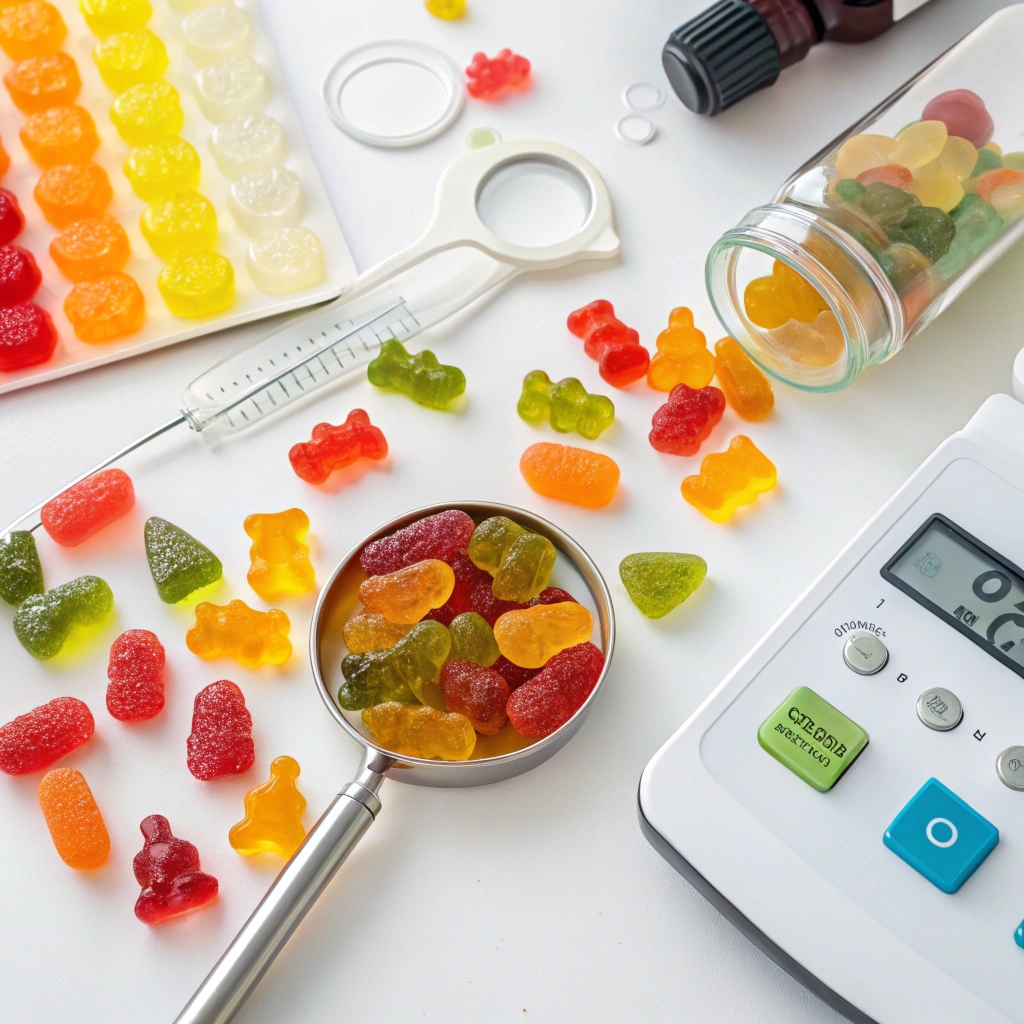
Poor-quality vitamin gummies can lead to weak formulas, unpleasant taste, unstable shelf life, and compliance risks. Choosing the right quality standards helps protect your brand reputation, customer trust, and long-term sales.
High-quality vitamin gummies are assessed by reviewing the formula, ingredient stability, taste, texture, appearance, packaging, manufacturing standards, third-party testing, and regulatory compliance. A reliable gummy should deliver accurate dosage, consistent quality, pleasant flavor, and safe production from a certified factory.
Want to make a smarter buying decision? Start with the core quality checkpoints below.
★ 1. Check the Ingredient Formula First
When assessing the quality of vitamin gummies, the first step is to review the ingredient formula carefully. A truly good gummy is not only attractive in appearance, but also scientifically balanced in formulation.
You should first confirm whether the label clearly lists the active ingredients, vitamin content, minerals, botanical extracts, sweeteners, gelling agents, colors, and flavors. A high-quality gummy should always have clear and transparent ingredient information. If the formula looks vague or incomplete, that is already a warning sign.
Another important point is whether the formula matches your market demand. For example, many buyers now prefer:
Sugar-free gummies
Vegan pectin gummies
Gelatin-based gummies
Clean-label formulas
Functional blends such as multivitamin, biotin, collagen, melatonin, elderberry, or immune support
A strong formula should also balance functionality + taste + texture + stability. Some gummies may look attractive on paper because they contain many ingredients, but if the nutrients are unstable or the taste is too bitter, the product may still fail in the market.
So, when you assess quality, ask one important question: Does this formula work well both technically and commercially?
★ 2. Review the Appearance, Texture, and Taste
The appearance, texture, and taste of a gummy can quickly reveal whether the manufacturing process is under control.
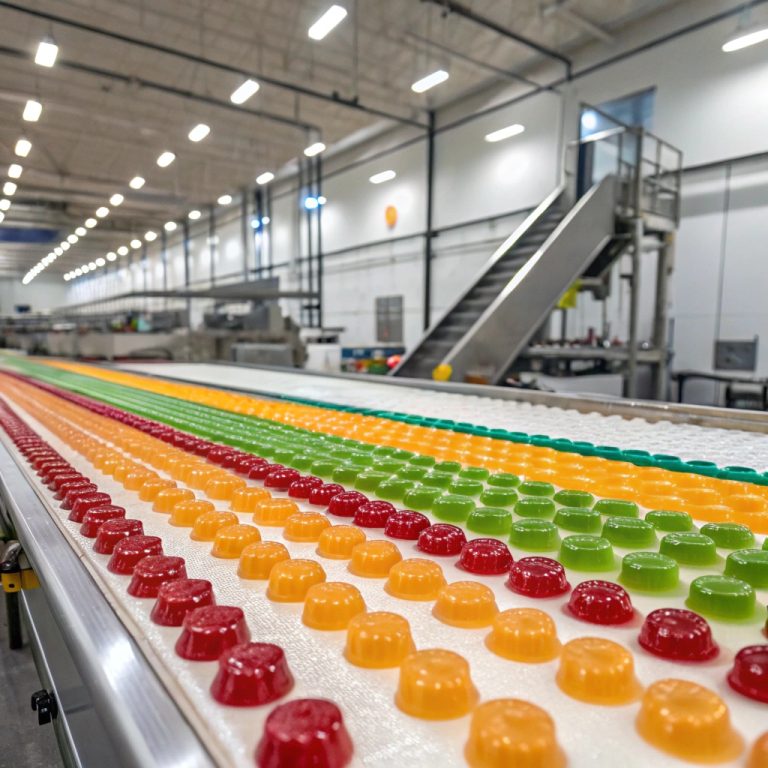
A high-quality vitamin gummy should have:
Uniform shape
Consistent size
Smooth surface
Stable color
No obvious stickiness or deformation
If the gummies are too sticky, oily, misshapen, or inconsistent in color, it may indicate poor depositing control, unstable drying, or weak packaging protection.
Texture is equally important. A good gummy should feel soft, elastic, and easy to chew. It should not be:
Too hard
Too wet
Too rubbery
Too fragile
These texture issues often come from poor process control, incorrect formula ratios, or unstable raw materials.
Taste is another major quality factor. Since gummies are taken daily, the flavor experience matters a lot. A good vitamin gummy should have a pleasant, balanced taste without:
Strong bitterness
Excessive sweetness
Harsh vitamin aftertaste
Artificial chemical notes
For B2B buyers, this is especially important because consumer repeat purchase depends heavily on user experience.
★ 3. Confirm Dosage Accuracy and Ingredient Stability
A vitamin gummy may look good and taste good, but if the dosage is inaccurate, it is not a high-quality product.
Each gummy should provide the correct active ingredient content stated on the label. If the dosage changes from batch to batch, the product becomes unreliable and may create serious compliance problems.
This is why ingredient stability is one of the most important quality checkpoints. Many vitamins and functional ingredients are sensitive to:
Heat
Moisture
Light
Oxygen
During gummy production, these factors can reduce nutrient potency. That means a gummy may leave the factory looking fine, but the active ingredients may degrade over time.
A quality-focused manufacturer should know how to improve stability through:
Proper raw material selection
Formula adjustment
Controlled processing conditions
Protective packaging
Shelf-life testing
When evaluating a supplier, ask whether they can provide evidence of:
Active ingredient testing
Shelf-life validation
Batch consistency
Storage condition assessment
A reliable gummy must remain effective not only on production day, but throughout shipping, warehousing, and final sale.
★ 4. Evaluate Manufacturing Standards and Factory Control
Behind every good gummy is a factory with strong production management and quality control systems.
You should always check whether the manufacturer follows recognized standards such as:
GMP manufacturing practices
Food safety management systems
Documented quality inspection procedures
Sanitation and traceability controls
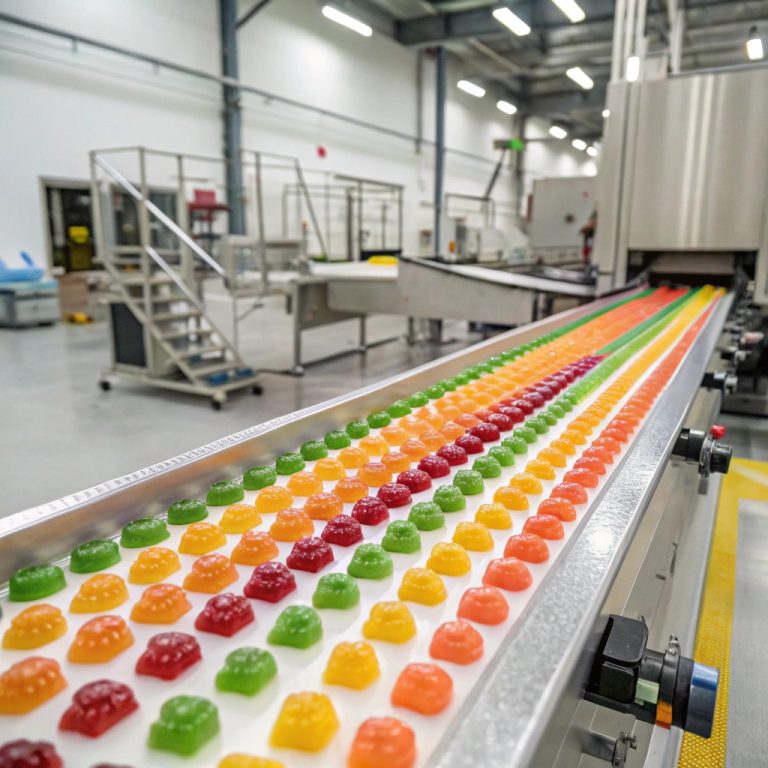
A professional gummy factory should manage every stage carefully, including:
Raw material inspection
Formula weighing
Cooking
Depositing
Drying
Coating
Packaging
Final inspection
This matters because gummy products are sensitive. Even small changes in temperature, humidity, or ingredient ratio can affect the final result.
It is also important to review whether the factory has a stable raw material supply chain. Good manufacturers usually work with reliable ingredient partners and inspect incoming materials before production begins.
For private label and OEM buyers, factory strength directly affects whether the supplier can produce consistent quality at scale. A good supplier should be able to explain their process clearly and support repeat orders without major quality variation.
★ 5. Ask for Testing Reports and Packaging Details
Testing is a critical part of gummy quality assessment. A serious manufacturer should be able to provide reports for key checks such as:
Active ingredient content
Microbiological safety
Heavy metals
Moisture control
Product compliance requirements
If third-party test reports are available, that gives even more confidence.
Microbiological safety is especially important because gummies contain moisture and sweet ingredients, which means poor hygiene can quickly create product risk. Strong testing standards help ensure the gummies are safe, stable, and market-ready.
Packaging also matters more than many buyers expect. Even an excellent gummy can lose quality if the packaging does not protect it from:
Moisture
Heat
Air exposure
Light
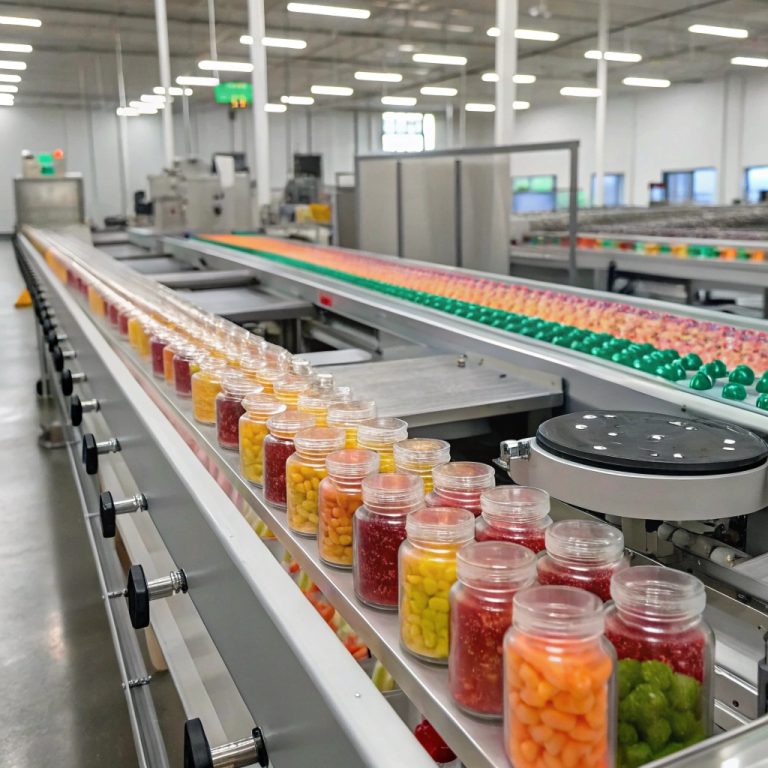
Good packaging should help maintain freshness, protect the formula, and support shelf life. Examples include:
Moisture-resistant bottles
Sealed jars
Child-resistant caps
Protective liners
Clear and compliant labels
In simple terms, formula quality alone is not enough. The final product quality depends on formula + manufacturing + testing + packaging working together.
★ 6. Consider Market Fit and Consumer Experience
The final step in assessing gummy quality is to look at it from the end customer’s perspective.
A high-quality gummy should not only meet technical standards, but also match the needs of the target market. That includes:
Flavor preferences
Sweetness level
Texture expectations
Packaging style
Dosage format
Functional positioning
For example:
Children’s gummies often need better flavor, fun shapes, and strong safety focus
Adult wellness gummies may require clean-label positioning, low sugar, or premium ingredients
Private label brands often need formula customization and packaging differentiation
So, real quality is not just about lab numbers. It is also about whether the gummy is easy to trust, easy to enjoy, and easy to sell.
When you assess vitamin gummies, always review both technical quality and market performance potential.
A quality vitamin gummy combines accurate formula, stable production, safe testing, strong packaging, and enjoyable consumer experience.