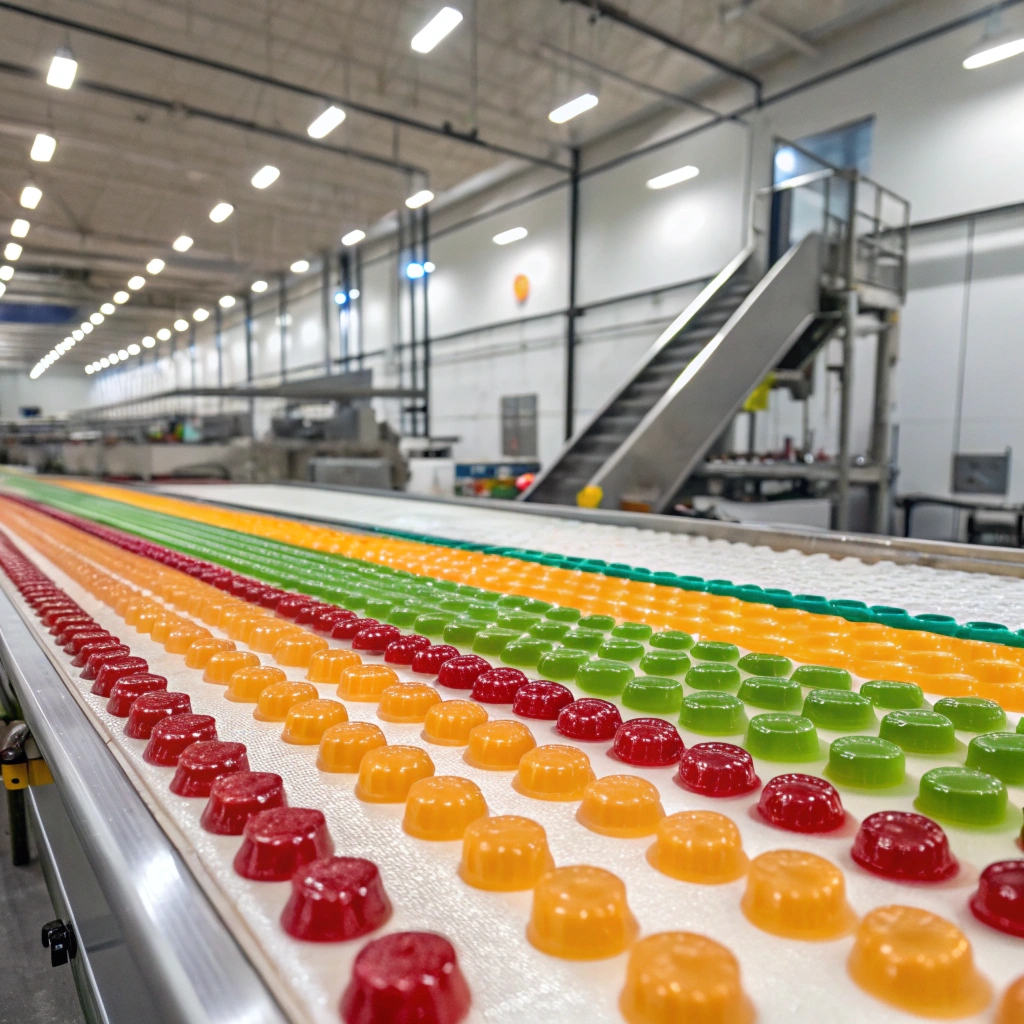
Finding the right private label gummy manufacturer can be difficult. Weak quality control may lead to unstable products, customer complaints, compliance risks, and damage to your brand. A manufacturer with strong quality assurance systems helps protect product consistency, safety, and long-term business growth.
Quality assurance in private label manufacturing means controlling every key step — from raw material selection and formula development to production, testing, packaging, and shipment — so that each gummy product is safe, stable, compliant, and consistent. For private label brands, quality assurance is essential for building trust and supporting repeat sales.
Keep reading to see why quality assurance is one of the most important factors when choosing a private label gummy partner.
Why Quality Assurance Matters in Private Label Manufacturing
For private label brands, quality is never just a factory issue. It directly affects brand image, customer satisfaction, and market performance. If gummies have inconsistent texture, poor taste, inaccurate dosage, or packaging issues, the result can be serious. Buyers may lose confidence, customers may leave negative reviews, and distributors may hesitate to reorder.
That is why professional buyers do not focus only on price. They also pay attention to the manufacturer’s quality management system, production standards, and ability to deliver stable results across multiple batches.
In gummy supplement manufacturing, even small changes in moisture, temperature, ingredient blending, or depositing conditions can change the final product. A gummy that looks perfect in one sample batch may perform poorly in mass production if the factory lacks proper controls. Good quality assurance reduces these risks before they become market problems.
For a company like ENZ Gummy, quality assurance is closely connected with its OEM and ODM service model. Private label customers are not only buying a product. They are buying a complete solution that includes formulation, production, packaging, and support for market launch. This means quality assurance should cover the entire manufacturing process, not just final inspection.
🔹 Raw Material Control Comes First
High-quality gummy products begin with high-quality raw materials. This includes active ingredients, sweeteners, pectin or gelatin, flavors, colors, coatings, and packaging materials. If the raw materials are unstable or poorly managed, even advanced production equipment cannot fully solve the problem.
A reliable private label manufacturer should check incoming materials carefully. This may include verifying ingredient specifications, checking appearance and stability, and making sure materials meet required standards before entering production.
For private label brands, this stage is extremely important because it affects:
- Product safety
- Formula consistency
- Shelf stability
- Taste and texture performance
When a manufacturer has a strong raw material management system, it becomes easier to maintain consistent quality across repeat orders. This is especially valuable for growing brands that want to build a stable market reputation.
🔹 Formula Development Must Support Real Production
A formula may look attractive on paper, but that does not guarantee successful manufacturing. In private label gummy projects, quality assurance should begin during formula development.
Why? Because a formula must do more than deliver functional ingredients. It must also remain stable during:
- Mixing
- Depositing
- Drying
- Packaging
- Storage
- Shipping
If a gummy formula is not properly developed, problems may appear later, such as sticking, deformation, uneven dosage, color change, or reduced shelf life. That is why buyers should work with manufacturers that understand both R&D and large-scale production.
For ENZ Gummy-style private label projects, this point is especially important. Brands often want customized formulations, special flavors, different shapes, or targeted functions. These custom needs must be balanced with practical manufacturing conditions. A good quality assurance system makes sure custom formulas can be produced consistently, not just designed attractively.
🔹 Process Control Is the Core of Manufacturing Quality
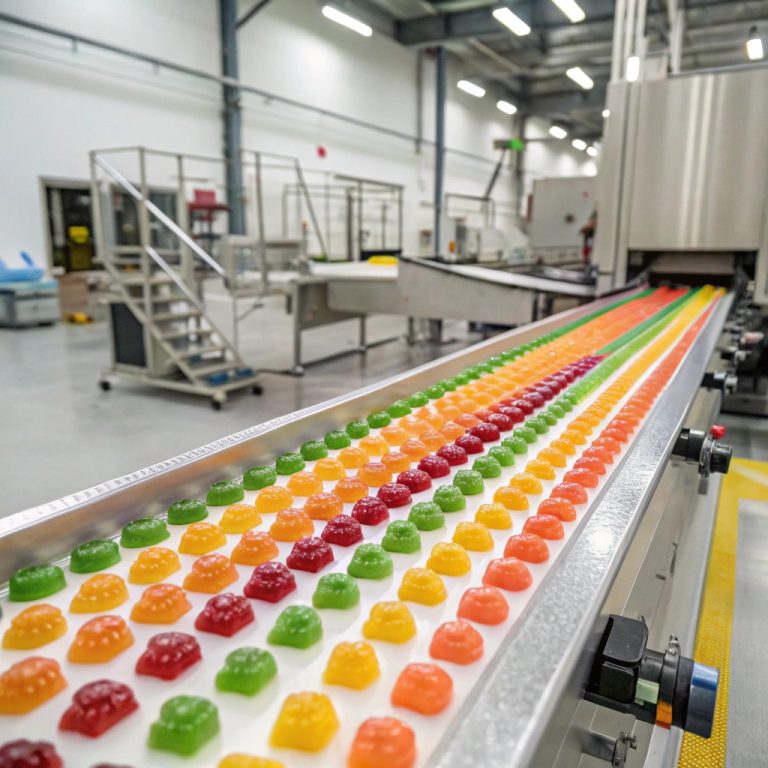
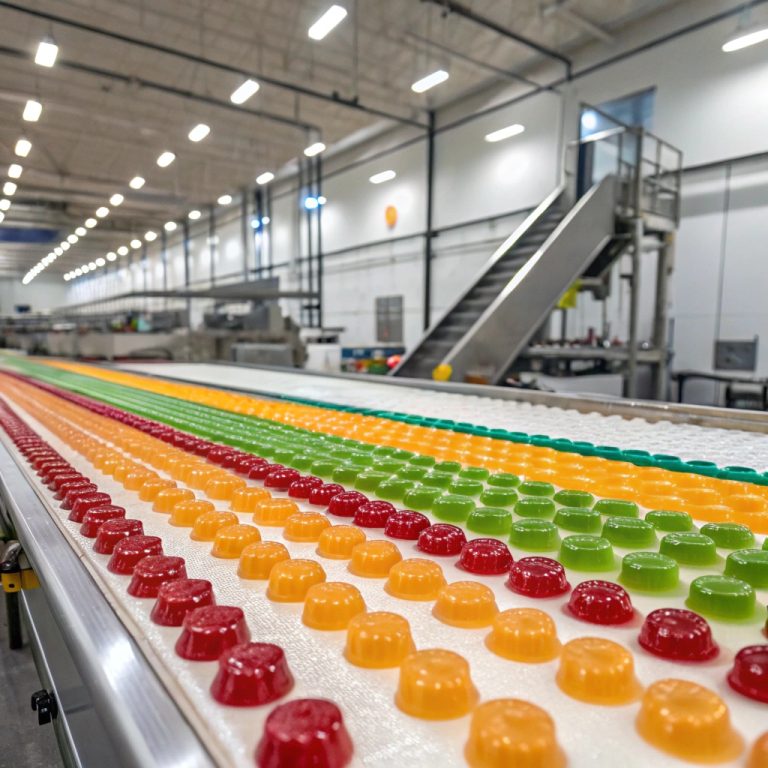
Once production begins, quality assurance becomes highly practical. Every production stage must follow clear standards. In gummy manufacturing, process control is essential because small operating differences can directly affect the finished product.
Important process control points often include:
- Ingredient weighing accuracy
- Mixing uniformity
- Cooking temperature
- Depositing precision
- Drying conditions
- Workshop cleanliness
- Batch-to-batch consistency
These controls help ensure that gummies have the correct shape, texture, appearance, and active ingredient distribution.
For B2B buyers, this is where a manufacturer proves real capability. A supplier may talk about customization and service, but if it cannot keep production stable, long-term cooperation becomes risky. That is why buyers should pay close attention to the factory’s equipment, workshop environment, and internal process standards.
Stable process control means fewer defects, better efficiency, and more reliable delivery performance.
🔹 Testing and Compliance Protect the Brand
Testing is one of the most visible parts of quality assurance, but it should not be the only one. Final product testing works best when it is supported by good material control and process management.
In private label gummy manufacturing, testing may focus on areas such as:
- Dosage accuracy
- Microbiological safety
- Appearance consistency
- Taste and texture stability
- Packaging accuracy
- Compliance with target market requirements
For brands selling through distributors, e-commerce, or retail channels, compliance is critical. Poor compliance can create customs delays, market restrictions, or legal risks. This is why many buyers prefer manufacturers with recognized certifications and standardized production systems.
A manufacturer with strong compliance awareness can also help private label customers reduce uncertainty when entering new markets. That support is especially valuable for overseas brands that need both product quality and export readiness.
🔹 Packaging and Traceability Should Not Be Ignored
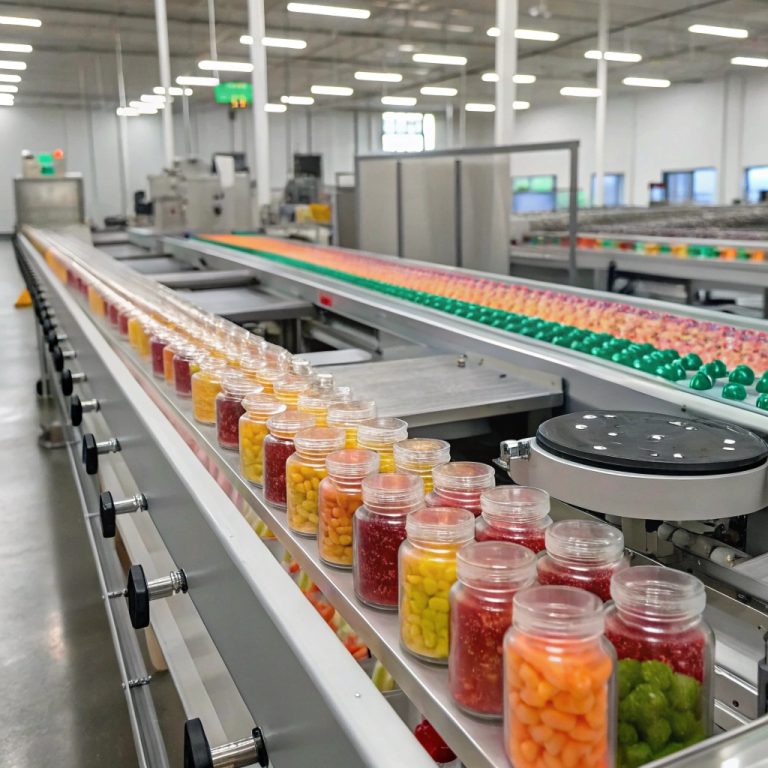
Many buyers spend most of their attention on the formula and the gummy itself, but packaging quality is equally important. Damaged bottles, incorrect labels, sealing problems, or poor batch traceability can create serious issues after shipment.
Strong quality assurance should also include:
- Label checking
- Packaging material inspection
- Seal quality control
- Batch coding
- Shipment record management
- Traceability across the full order cycle
Traceability matters because it helps brands quickly identify the source of a problem if one appears later. It also improves confidence between the manufacturer and the buyer, especially for long-term cooperation.
For private label brands, this means the manufacturer is not only delivering products, but also delivering accountability and operational reliability.
🔹 How to Choose the Right Private Label Manufacturing Partner
When evaluating a gummy manufacturer, buyers should look beyond product samples. A beautiful sample does not always mean a strong manufacturing system. Instead, ask practical questions:
- Can the factory control both formulation and production?
- Does it have clear quality control procedures?
- Can it support compliance and export requirements?
- Does it provide traceability for materials and batches?
- Can it maintain stable quality in repeat orders?
The best private label manufacturing partner is one that combines customization ability, production strength, and quality assurance discipline. This kind of supplier helps brands reduce risk, improve product consistency, and build stronger market trust.
Conclusion
Strong quality assurance turns private label gummies into safe, stable, and trustworthy products that support long-term brand growth.