Missing licenses can stop production, block imports, or trigger recalls; compliance failures are costly. This guide explains required licenses clearly and systematically.
Operating a vitamin gummy business requires food-related business registration, manufacturing facility compliance, product labeling compliance, and—when applicable—import/export and dietary supplement notifications. Requirements depend on whether you manufacture, private-label, import, or only sell supplements, and on the target market’s regulatory authority.
Below, we break down definitions, applicable scenarios, risks, and compliance comparisons step by step.
Definition & Scope
What Is a Vitamin Gummy Business?
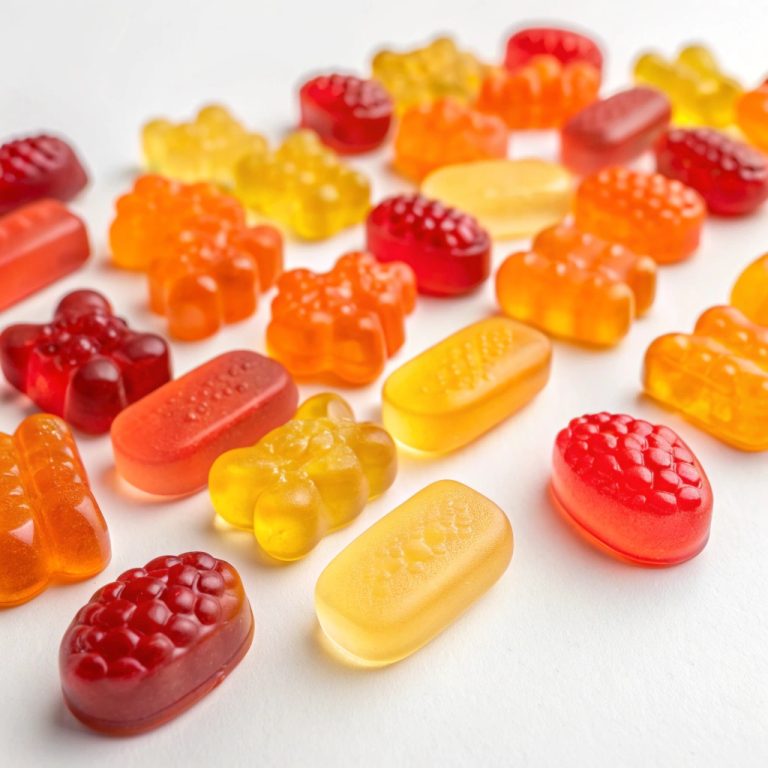
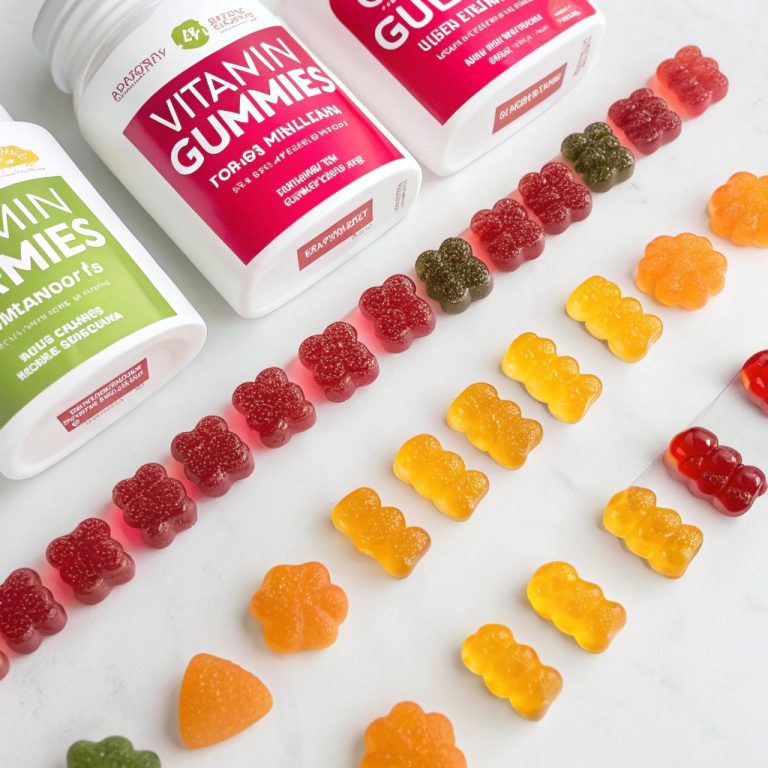
A vitamin gummy business is an operation involved in producing, branding, importing, or selling chewable dietary supplements in gummy form.
Its main function is to manufacture or commercialize supplements regulated as food or dietary supplements.
It does not include pharmaceutical drug manufacturing or medical treatment services.
Who Should Choose This Option?
Brand owners launching private-label vitamin gummies
OEM/ODM manufacturers producing gummies for export markets
Importers or distributors selling gummy supplements online or offline
Who Should Avoid This Option?
Businesses unable to meet food safety and compliance costs
Sellers intending to make medical or disease-treatment claims
Key Evaluation Factors
Factor 1: Business & Facility Registration
Why it matters: Authorities must legally recognize the business and production site.
How to verify: Check food business licenses, manufacturing permits, or facility registration numbers.
Common mistake: Assuming a general trading license is sufficient for food supplements.
Factor 2: Manufacturing & Quality Compliance
Why it matters: Gummies are ingestible products subject to food safety laws.
How to verify: Confirm GMP, HACCP, or equivalent food safety system certification.
Common mistake: Using cosmetic or candy standards instead of dietary supplement GMP.
Factor 3: Product & Labeling Approval
Why it matters: Incorrect claims or labels can cause product bans or recalls.
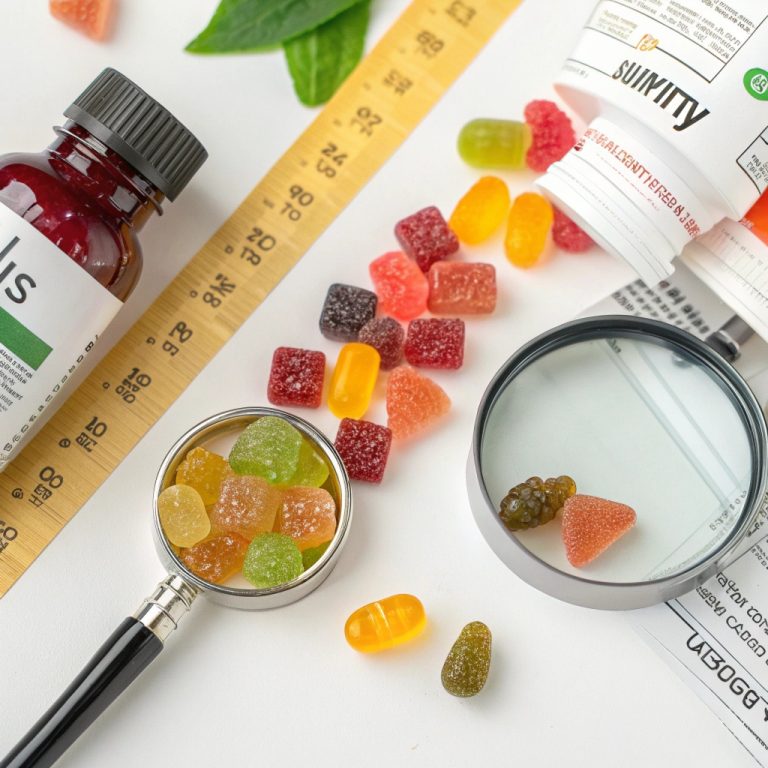
How to verify: Review ingredient compliance, nutrition facts format, and claim language.
Common mistake: Copying labels from other brands without regulatory review.
Risks and How to Reduce Them
Unapproved ingredients → Use region-specific ingredient compliance lists
Label non-compliance → Conduct pre-market label review
Import detention → Work with registered, compliant manufacturers
Comparison with Alternatives
| Item | Self-Manufacturing | OEM/ODM Factory | Trading Company |
|---|---|---|---|
| Cost | High | Medium | Low |
| MOQ | Low | Medium–High | High |
| Lead Time | Long | Medium | Short |
| Compliance | Owner-managed | Factory-assisted | Often unclear |
| OEM Ability | Full control | Strong | Limited |
Common Real-World Mistakes
Believing supplements need no approval because they are “natural”
Using drug-like claims such as “treats” or “prevents disease”
Ignoring destination-country regulations when exporting
Why Experienced Buyers Prefer Structured Suppliers
Clear communication and documentation process
Compliance-first mindset across production and labeling
Stable production, traceability, and quality-control systems
Final Summary
Vitamin gummy businesses require proper food registration, GMP compliance, and labeling approval based on their role and target market.